
Tip of the Spear
Rebuilding Hope, Restoring Lives: A Safe Haven for Veterans.
Next time when you see a Vet, instead of saying "thank you for your service" say "I gave to Tip of the Spear!"
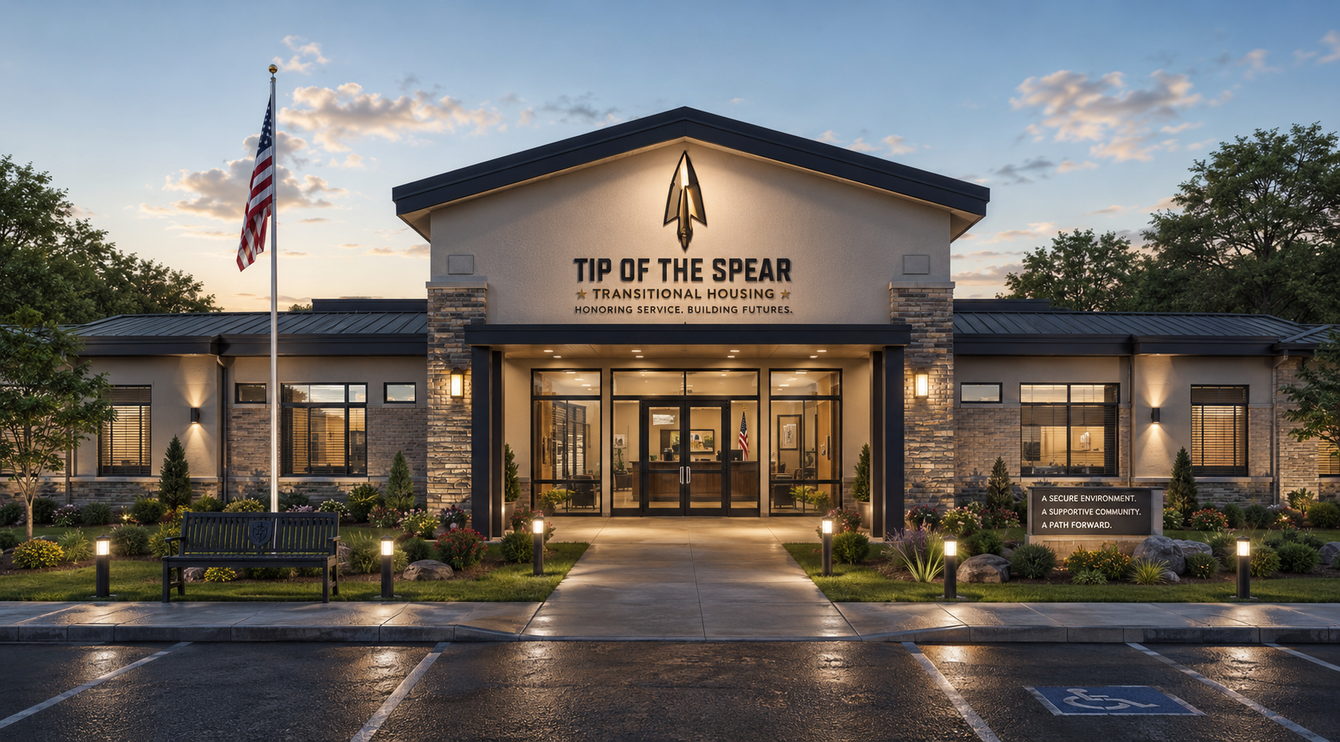
Saving Veterans One Life at a Time
We know the look in a veteran's eyes when the bottom falls out, because we have worn it. Tip of the Spear was built by combat veterans who have walked through PTSD, addiction, and moral injury. We provide affordable transitional housing, peer support, and trauma-informed care so no veteran has to fight alone. Every bed, every conversation, every night of safety aims toward one goal: restoring dignity and hope.
Most of us arrived at rock bottom the same way, one bad night at a time. Our process starts with a simple call, then a calm intake that listens more than it talks. Veterans move into stable housing, meet peers who speak their language, and connect with counseling, life skills, and suicide prevention support. Step by step, we trade chaos for structure, isolation for community, and survival for a future that feels worth living.
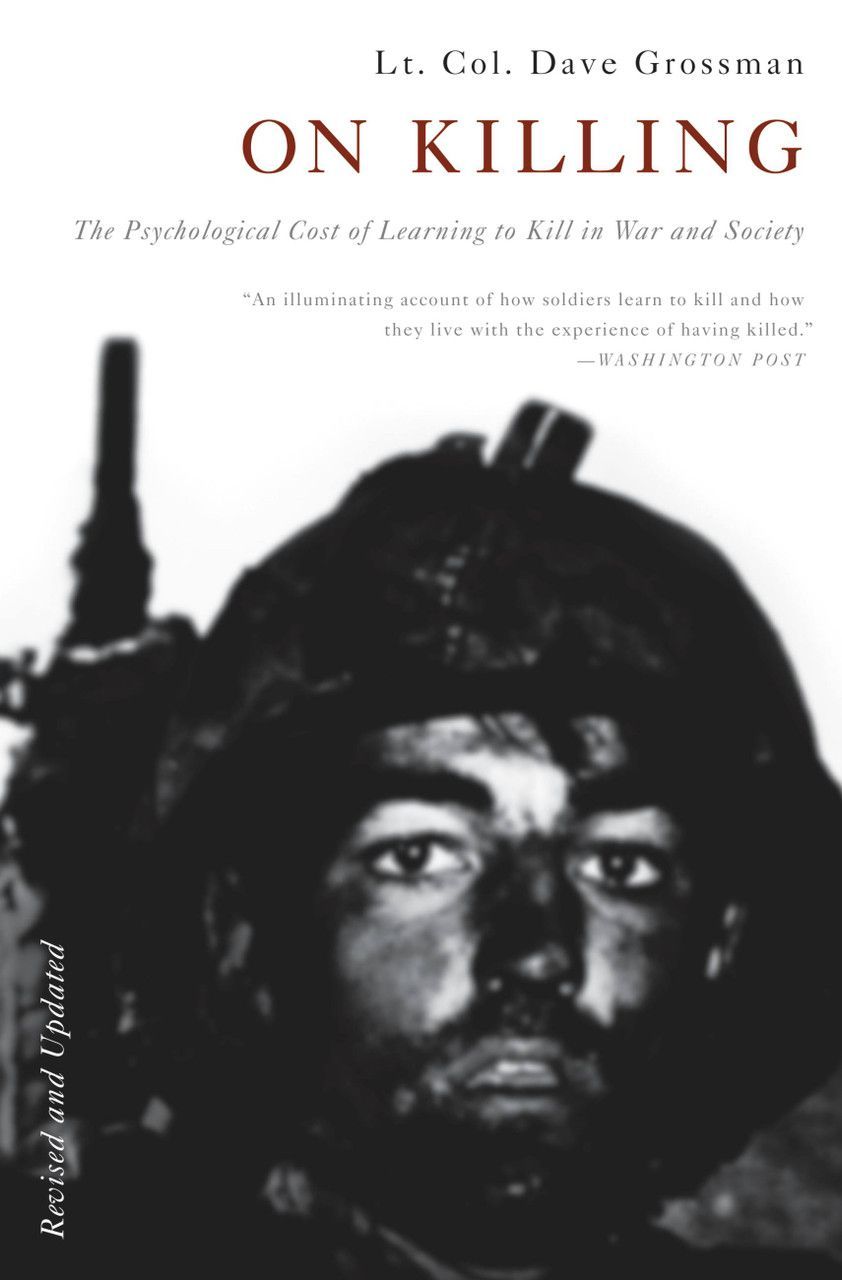
Survivors of Khe Sanh
These are some of the Marines who survived being surrounded by 40,000 NV soldiers. This photo was taken in California to celebrate 50 years of having Survived the most iconic battle of the Vietnam struggle.
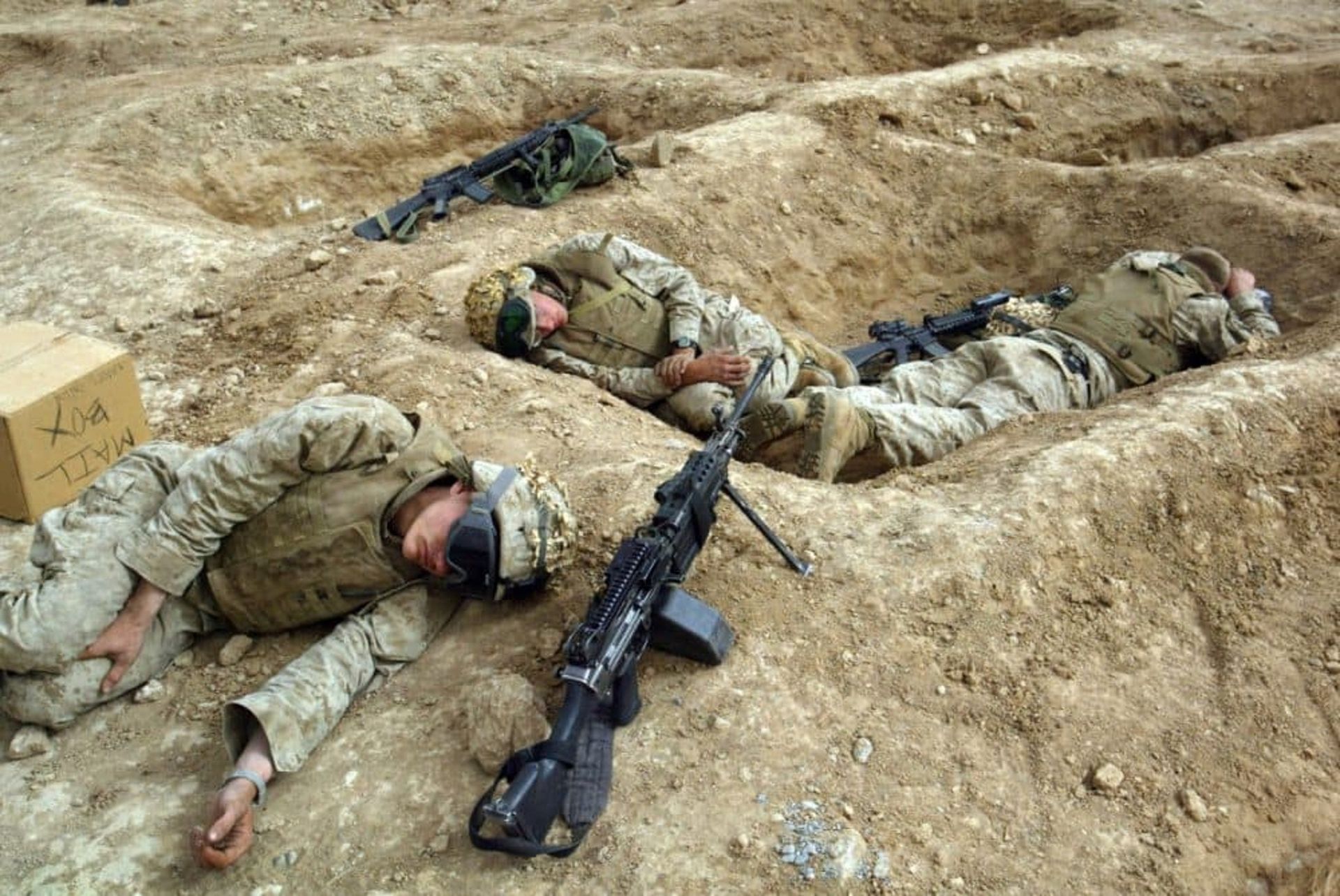
Teddy
Teddy remembers curling up in a foxhole whenever he could catch some sleep. When he wasn’t kicking down doors in Fallujah, he was preaching the gospel. Today, he is studying to be an ordained minister.
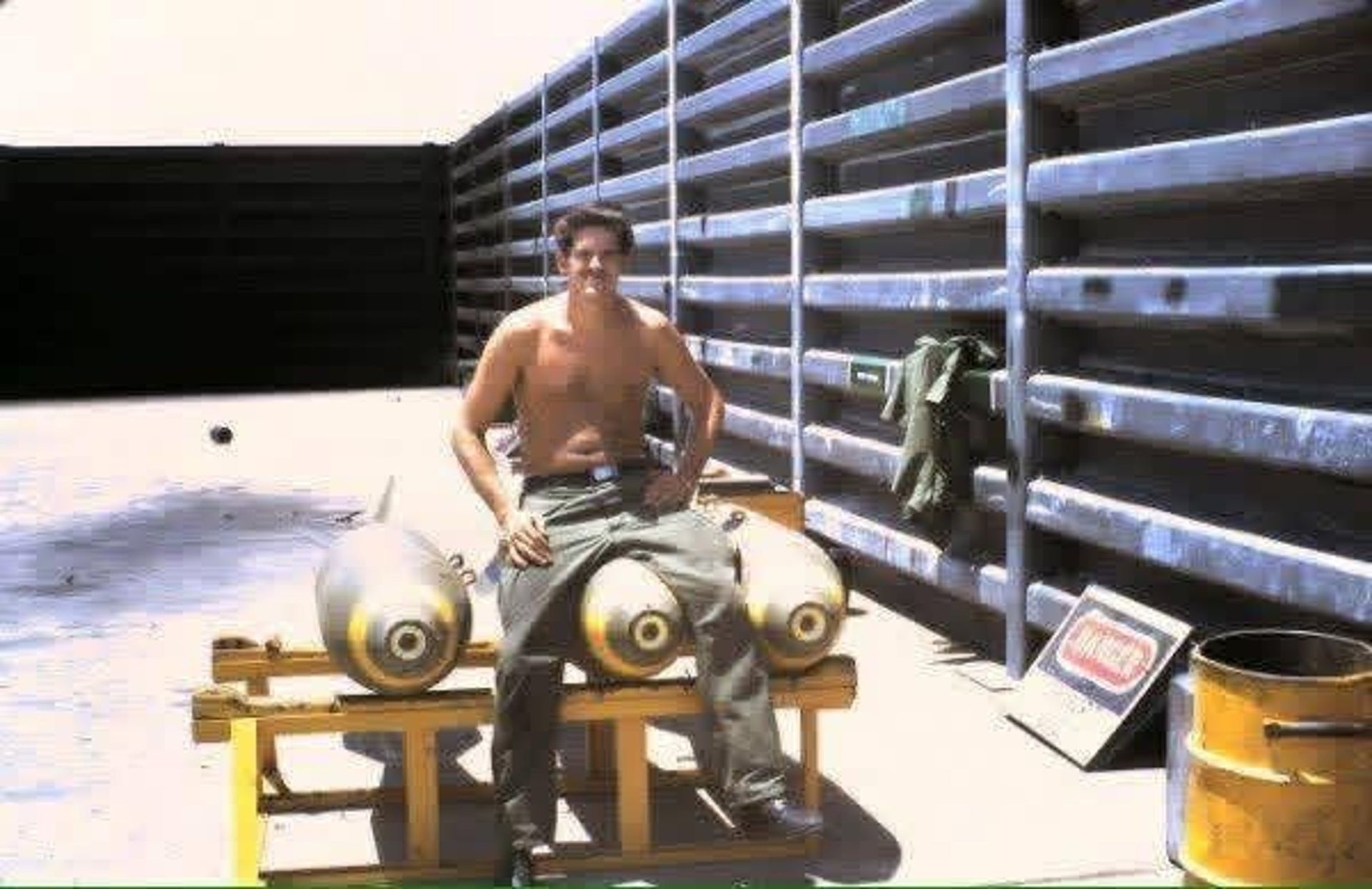
Ken
Ken lives in Dothan, Alabama, and has worked hard to rebuild his life. After struggling with alcohol, he found recovery through the steps, support from the VA, and the chance to repair his family life.
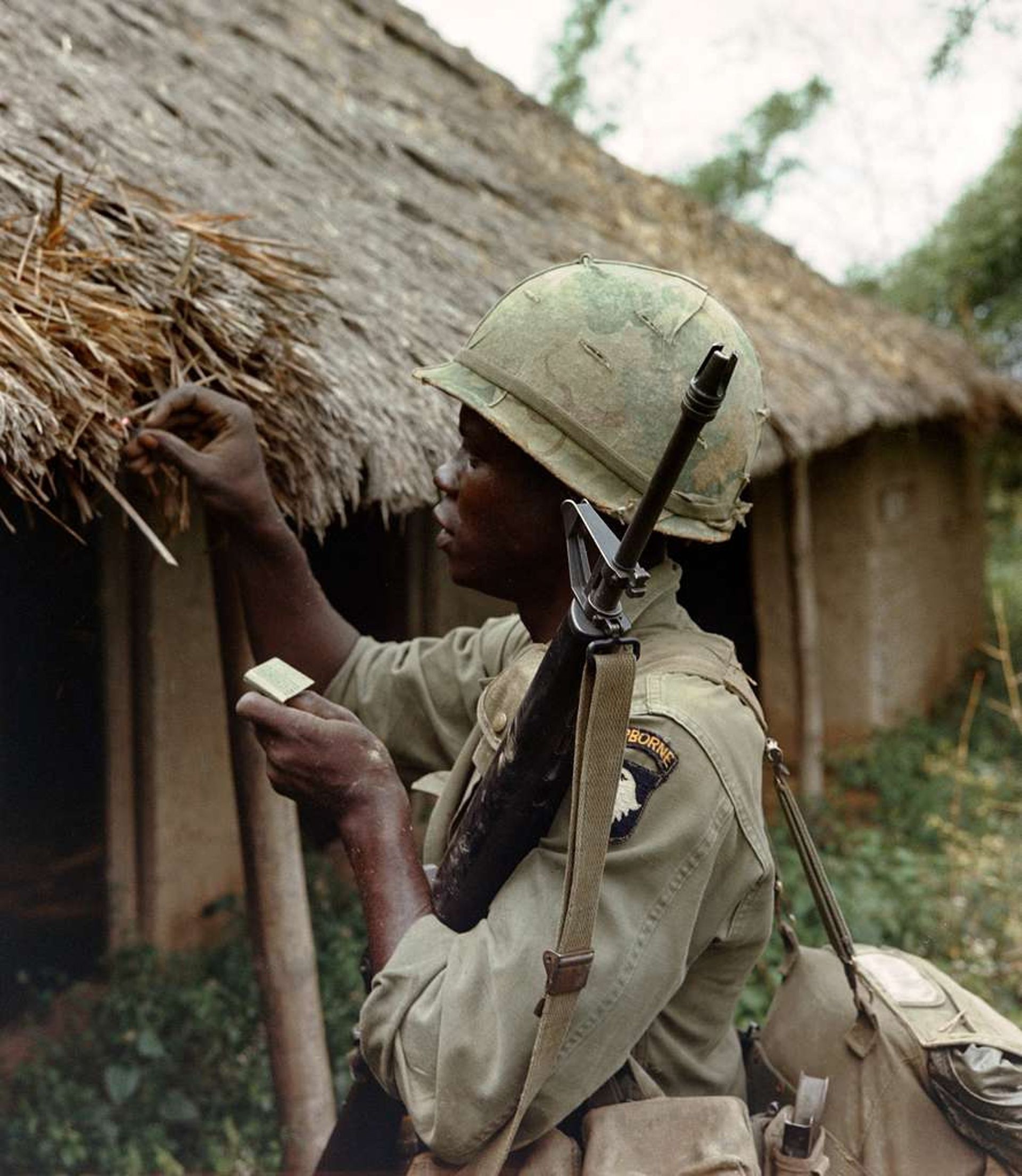
Smitty
Smitty came from the south side of Chicago and was no stranger to violence. But the moral injury of burning people and villages has never left him, and those memories still remain with him.

Royal
Royal was a numbers guy—sharp, precise, and gifted with complex calculations. He became the crew chief on a nuclear submarine, but even now, restful sleep does not come easy.
Todd
Todd once had what seemed like a routine deployment directing traffic at the Baghdad airbase. That changed the day he was chosen for a secret operation and ordered to escort Saddam Hussein to his execution.
The Founder
The founder of Tip of the Spear is a 77-year-old still kicking Marine, former deep sea diver, former smuggler, real estate developer, and charitable tax planner.
If there wasn’t risk involved, he wasn’t interested.
He was asked the question, “why are you doing this” when quizzed about his motive for starting up the Tip of the Spear. His answer came back: he has one more rodeo left in him and, having lived a life of adventure and risk, it’s time to give back to what has been given him.

The Founder’s Story
A life driven by risk, shaped by war, and now focused on giving back—because one more mission still matters.
The adventure began when he and his buddy Terry enlisted in the Marine Corps in August 1967. Terry was a good old Cajun dairy farmer.
Neither of them had any idea the kind of shit was about to go down. Boot Camp and AIT were completed shortly before Christmas, after which our founder was shipped to Quantico and Terry went straight to Nam. By the end of January 68, Terry found himself deep in mud and bullets at Khe Sanh while the founder was deep in spit and polish.
That didn’t last very long. By mid February he put in for a transfer to OCS. (Over Choppy Seas)! And caught the tail end of the Tet Offensive. Meanwhile, Terry battled VC in hand to hand combat.
They both survived their tour of duty while one of them returned to become a successful insurance salesman with no signs of combat fatigue, as the other kept asking “What Now?”
Like most returning soldiers and Marines, very little was said about the terror and misery they faced on a daily basis for the entire 13 months of deployment.
In fact, our founder stayed silent for 40 years before the snakes living in his head started to show up as post traumatic stress and moral injury.
Thus began his journey inside the treatment afforded by the veterans administration. Over the past 15 years the VA has always had his back. Alexandria, Biloxi, Little Rock, White City, Honolulu, Fayetteville, gave it their best shot, but the overwhelming thoughts of guilt and shame prevailed and so the revolving door swung open for a relapse.
And so the motto, “when the going gets tough, the tough get going”.
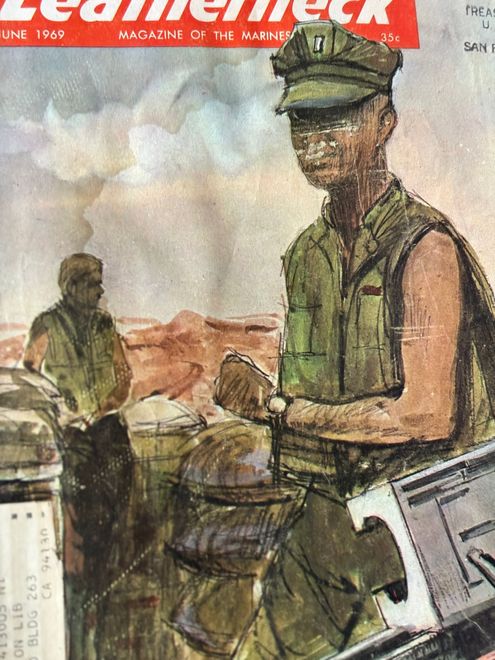
In Memoriam
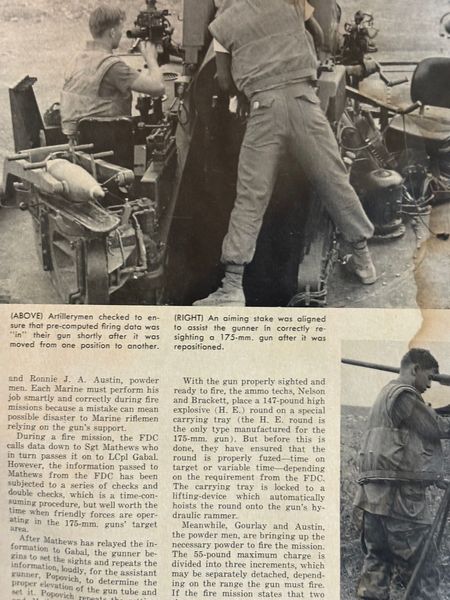
Wayne Carpenter was a Marine grunt during one of the worst periods of the conflict. He survived the war, but after returning home to a world with little support for veterans, he ultimately lost his life.
Wayne was a scrawny little kid growing up on Montrose Avenue in Lafayette Louisiana.
Back in the day, most young men were drafted in the army. Some unfortunate was sent in the Marines. Wayne was one of those.
He was issued 03 11 for his MOS. He was a grunt in the US Marine Corps during the worst time of the conflict. And somehow managed to survive.
Wayne returned to Lafayette at a time there was no support for veterans.
The gooks didn’t take his life. He took his own.
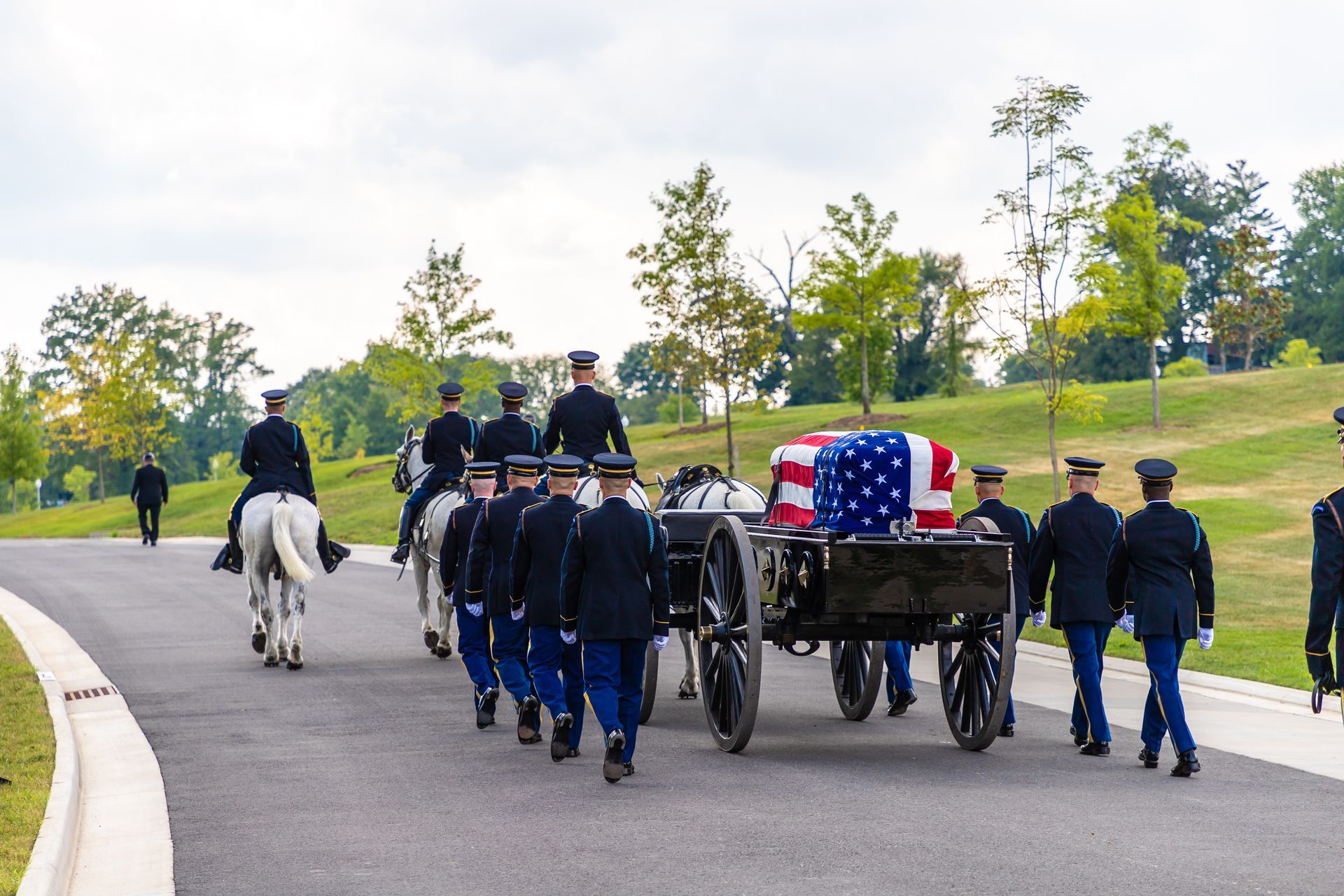
All gave some—some gave all.

Why
The Mission
Save a Veteran One Life at a Time.

What
The Strategy
Three Prong - Overcoming Homelessness, Reducing Addiction, and Eliminating Suicide.

How
The Tactics
Not housing, but a structured stabilized platform for trauma afflicted veterans. It's an integrated system to restore lives to functioning citizens.
VA Continuum of Care
The Department of Veterans Affairs does not view homelessness as simply a “housing problem.” The VA Continuum of Care is designed as a layered system that moves a Veteran from crisis and instability into long-term independence, permanent housing, employment, recovery, and reintegration into civilian life. Tip of the Spear's workshop covers, budgeting, credit repair, résumé building, public speaking, reclaiming pride, self-esteem, dignity, and purpose.
How These Three Interlock
These aren’t separate problems—they form a reinforcing loop
PTSD or Depression
Leads to addiction as coping
Addiction
Leads to job loss, strained relationships, and instability
Instability
Leads to homelessness
Homelessness + Isolation
Increases risk of suicide
What Actually Helps Break the Cycle
The most effective interventions treat all three simultaneously—not in isolation:
- Stable housing first (Housing First model)
- Trauma-informed care (addressing PTSD, not just symptoms)
- Peer support (Veterans helping Veterans)
- Purpose restoration (employment, mission-driven roles)
- Integrated programs like HUD-VASH and SSVF through the VA
Donations earmarked for a Campaign should be deposited in an escrow account.
Donations earmarked for a Campaign should be deposited in an escrow account.
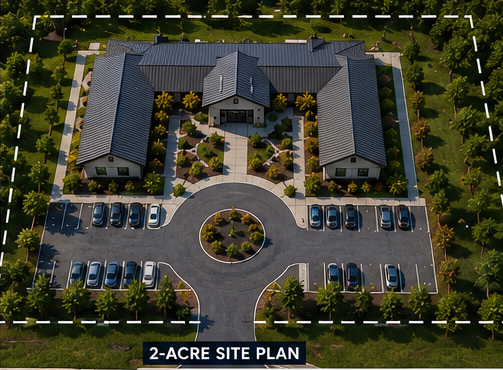
FACILITY FEATURES
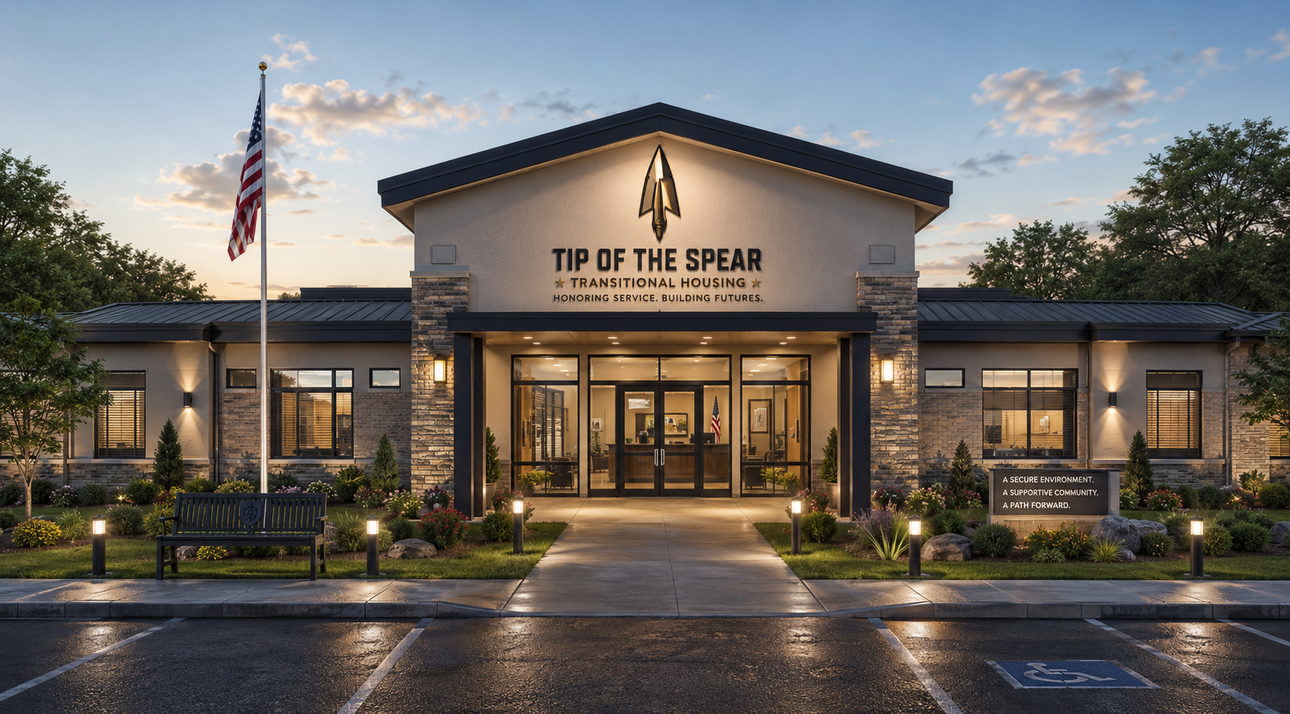
- 30 Beds
- 20 Double Occupancy Rooms (10 Rooms) - 10 Single Occupancy Rooms
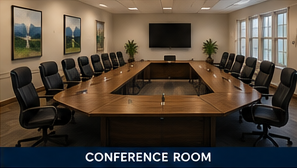
- U-Shaped Conference Table with Executive (Captain) Chairs
- Quiet Room - Soundproof for Meditation, Yoga, or Tai Chi
- All Rooms Accessible via Hallways
- Privacy Partitions in Double Occupancy Rooms
Click to Enlarge Images





Support Tip of the Spear
Addiction, suicide, and homelessness are not three separate enemies—they are different faces of the same underlying battle: loss of stability, connection, and purpose after service. Programs that succeed don’t just treat symptoms—they rebuild structure, identity, and belonging.

Scan To Pay




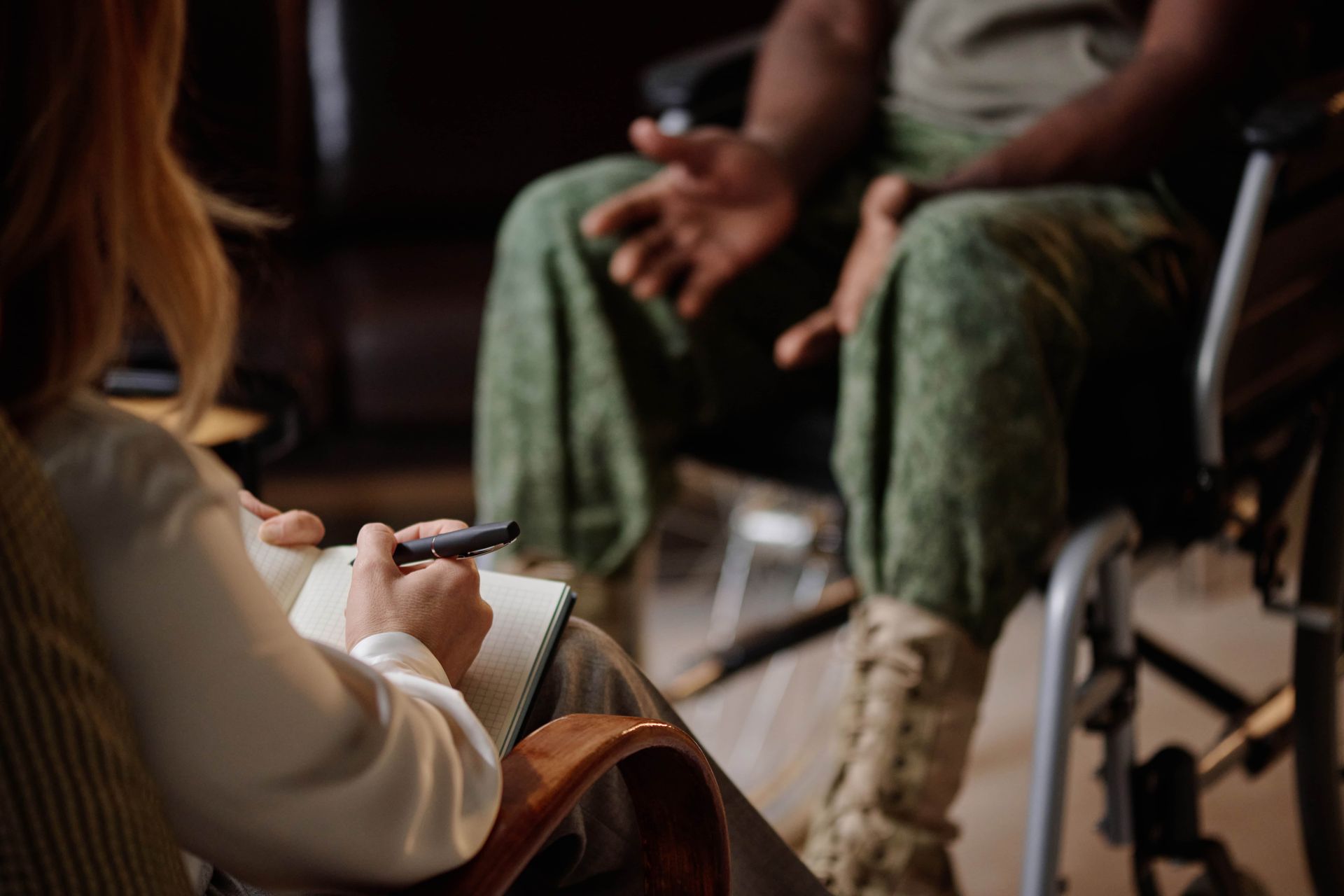
Target Population
Without restricting access, the model is optimized for Veterans who:
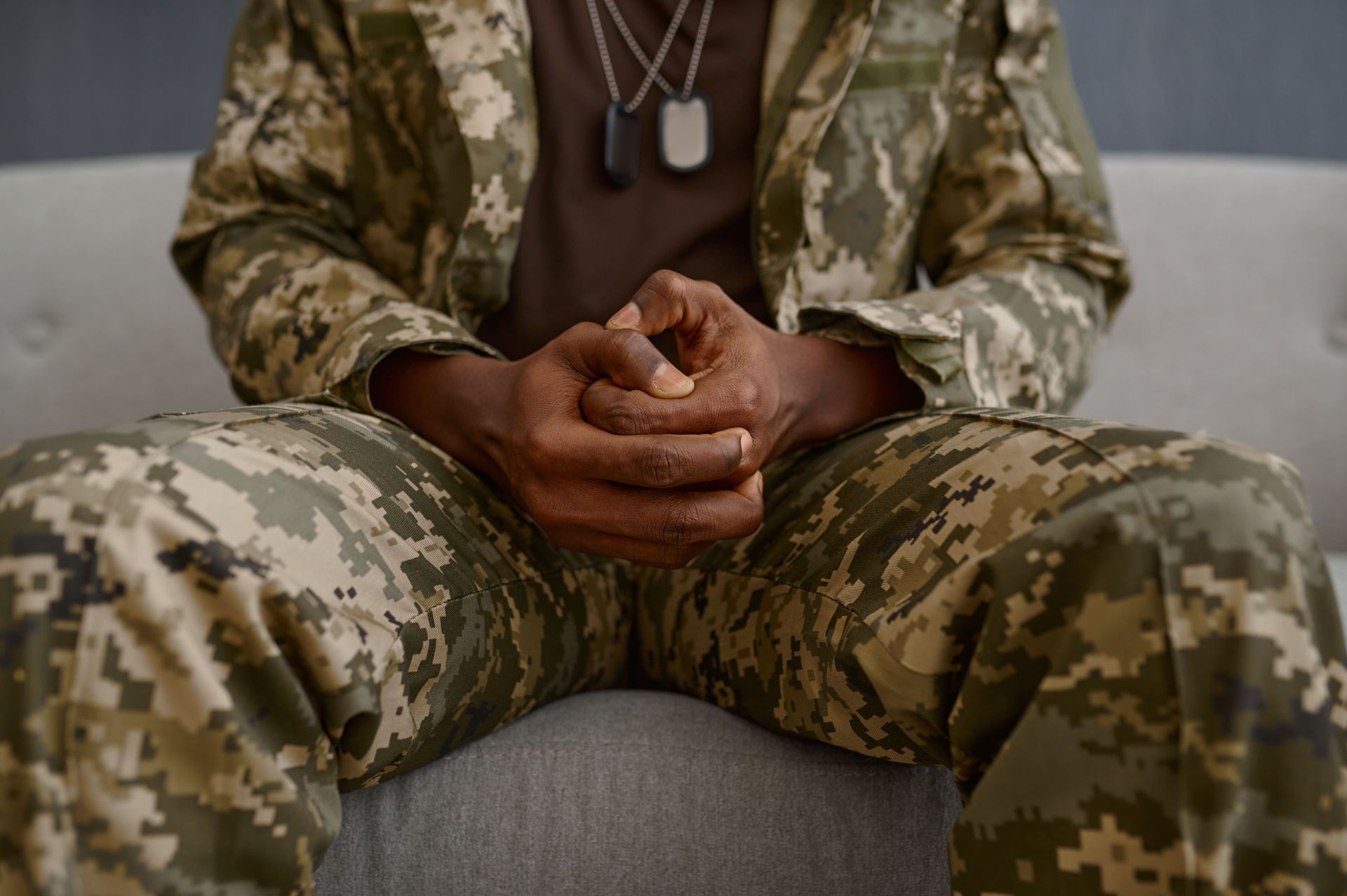
- Exhibit symptoms of Post-Traumatic Stress Disorder
- Are in early recovery from Substance Use Disorder
- Have experienced repeated housing instability
- Are at elevated risk for suicide due to isolation or disengagement
Outcomes and Metrics
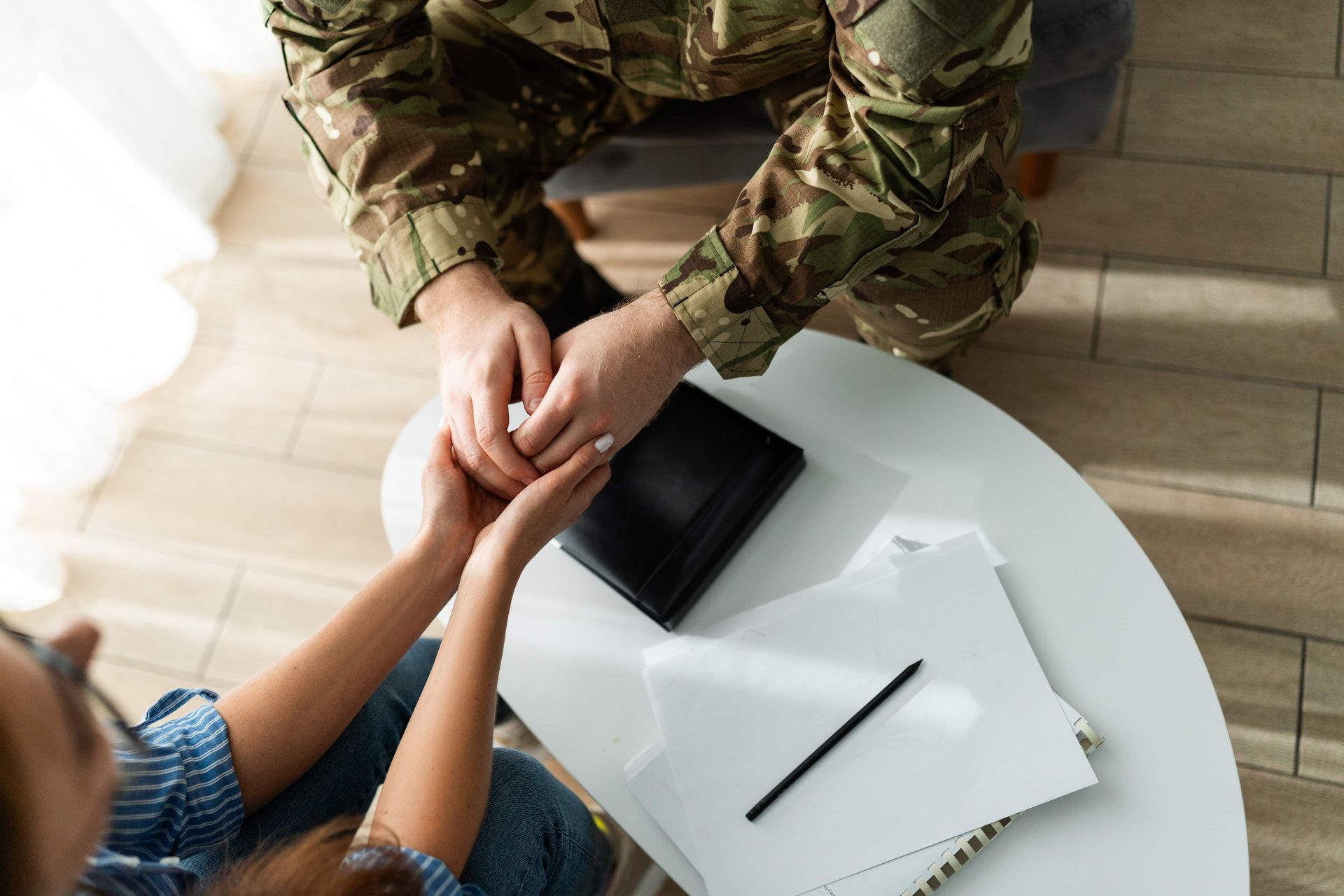
Tip of the Spear tracks performance using metrics aligned with VA priorities:
- Housing retention rates
- Transition to permanent housing
- Engagement with VA healthcare services
- Reduction in acute crisis events
- Substance use stability indicators
- Self-reported improvement in wellbeing and purpose
Value to the VA System
Tip of the Spear strengthens the VA ecosystem by:
- Reducing churn in HUD-VASH and GPD placements
- Increasing clinical engagement and adherence
- Providing a structured option for higher-acuity Veterans
- Lowering downstream costs associated with ER visits, inpatient care, and crisis response
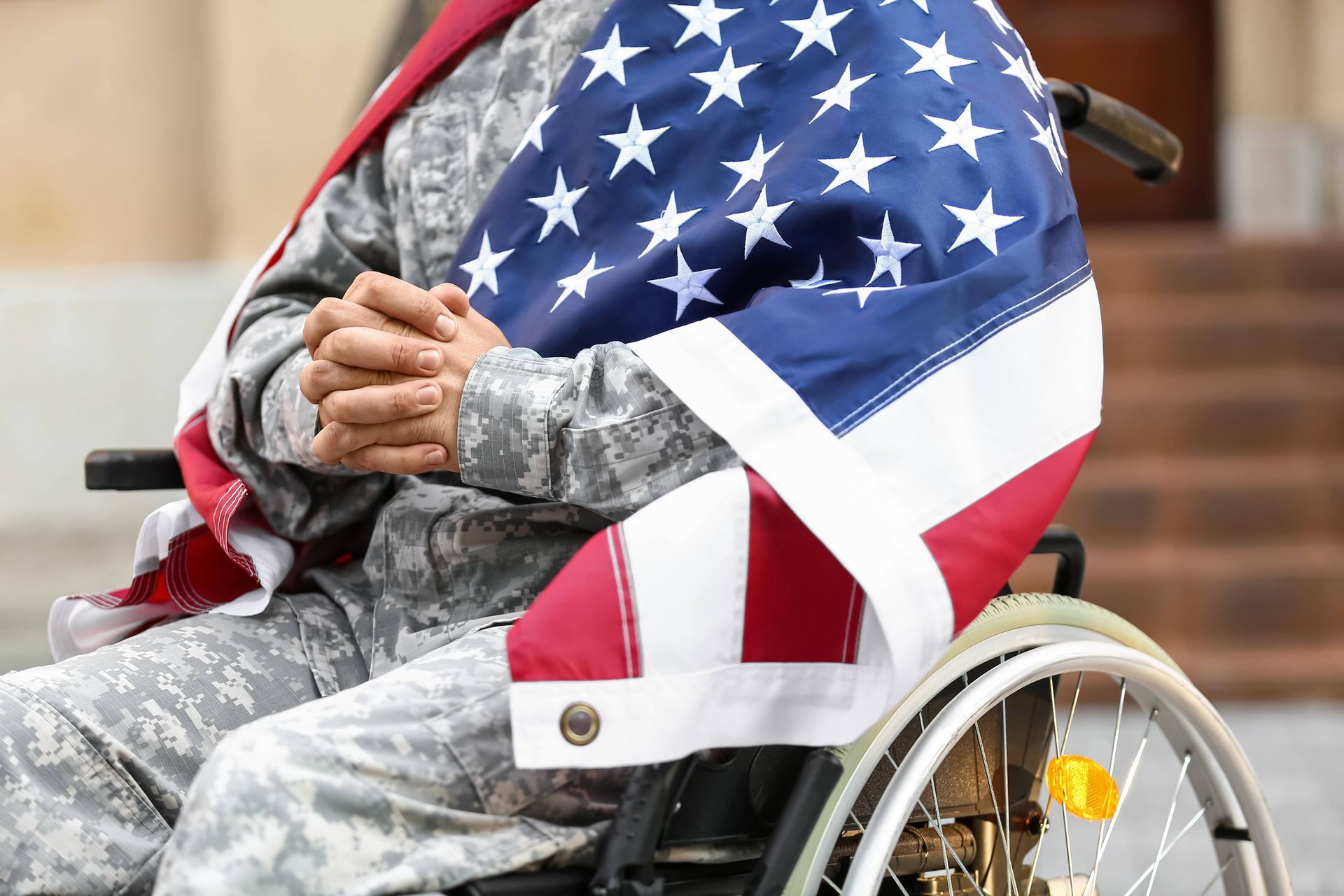
Closing the Gap for Veterans in Crisis
Tip of the Spear is not another housing program. It is a structured stabilization environment that allows the VA’s existing clinical and housing resources to work more effectively for Veterans who would otherwise fall through the cracks.
Veterans facing homelessness, addiction, and suicide risk are not failing the system—the system lacks the structured environments necessary to stabilize them long enough for care to take hold.
Tip of the Spear fills that gap.
It is housing plus structure, aligned with care, driven by peers, and measured by outcomes.